Sacramento Monoline Embroidery Font: A Designer's Review
When I first unboxed a new machine embroidery design for review, I always start with the same ritual: I pull up the digital embroidery file, zoom in on the letterforms, and ask myself one honest question—would I stitch this onto a real customer gift tomorrow? For the Sacramento Monoline Embroidery Font, the answer came quickly. This is a font that feels both nostalgic and fresh, and it earned a spot in my active rotation for personalized gift orders before I even finished my first test sew-out.
First Impressions: Retro Elegance with a Handmade Heart
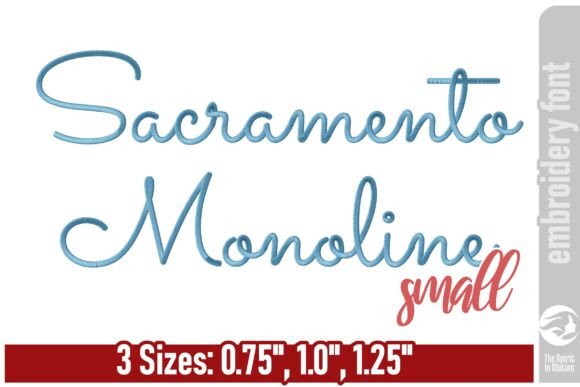
The Sacramento Monoline Embroidery Font arrives as a smooth, semi-connected cursive style that immediately brings to mind mid-century greeting cards and vintage shop signage. Its monoline weight—consistent stroke thickness throughout each letter—gives it a clean, approachable feel that works beautifully for custom embroidery on soft goods. I found the letterforms warm without being overly floral, elegant without being fussy. This font strikes a rare balance between sweet and sophisticated, making it suitable for everything from a baby onesie to a wedding pillow cover. There is a subtle retro charm here that feels handmade and intentional, not cold or mechanical.
Putting Sacramento to the Test: Real Gift Scenarios
My shop receives orders for all kinds of personalized gift products, and I evaluate every new embroidery font against the most common requests. Here is how Sacramento Monoline Embroidery Font performed across several real-use categories:
- Baby embroidery and nursery decor: I stitched a name onto a soft cotton muslin blanket and a small linen wall hanging. The monoline script read clearly at 1.5 inches tall, and the semi-connected letters gave the project a gentle, flowing look that parents love. This font would also work well for baby bibs, burp cloths, and crib sheets.
- Wedding gifts and keepsakes: For a linen pillow cover embroidered with a couple's last name and wedding date, Sacramento added a romantic, timeless feel. The script felt appropriately celebratory without being too casual or too ornate. It would also suit ring bearer pillows, bridal robes, and thank-you towels.
- Personalized towels and kitchen linens: I tested the font on a flour sack towel and a thick cotton hand towel. The monoline design stitched cleanly across the fabric, and the retro mood made even a simple monogram feel special. These would sell well at craft fairs and on Etsy.
- Tote bags and pillow covers: A canvas tote with a name or short phrase in Sacramento looked polished and gift-ready. The font's medium stroke width meant the lettering stood out against heavier fabrics without getting lost.
- Family keepsakes and apron gifts: I also tested it on a cotton apron and a small throw blanket. The font added a handmade, personal touch that felt like a labor of love.
Where Sacramento Monoline Shines Brightest
After several test sew-outs, I can confidently say this machine embroidery design performs best on medium-weight, stable fabrics like cotton, linen, flannel, and quilted materials. The monoline script stays crisp and legible at moderate letter heights, roughly 1 to 2.5 inches. For baby quilts, nursery decor, and kitchen towels, Sacramento is an excellent choice. It also photographs beautifully—the clean lines and consistent stroke thickness make product photography for Etsy seller listings and printable mockup previews look professional and enticing.
The font's emotional appeal leans toward nostalgic and romantic, which naturally boosts perceived value and buyer engagement. Customers who see a finished handmade product using Sacramento tend to associate it with quality craftsmanship and thoughtful design. This can build customer trust and encourage repeat orders.
Where to Use This Font Carefully
No embroidery font works everywhere, and Sacramento Monoline has some limits worth noting before you offer it to customers. I always advise small shop product owners to test these scenarios first:
- Very small lettering: Below 0.8 inches, the monoline stroke can become too thin for dense thread colors or dark fabrics. Details may lose definition, so I recommend staying at 1 inch or taller for most projects.
- Delicate or textured fabrics: On terry cloth, thick towels, or chunky knits, the fine lines may sink into the texture. I suggest using a cutaway stabilizer and testing a sample before stitching a final order.
- Stretchy or curved surfaces: Baby onesies, knit hats, and curved edges require careful hooping and a soft stabilizer. Sacramento's semi-connected letters can distort if the fabric shifts, so take extra time with placement.
- Frequent washing items: For kitchen towels, baby blankets, or aprons that will be washed often, use a high-quality thread and stabilizer to prevent the monoline stitches from loosening over time.
- Dark fabric: The stroke thickness means light thread colors on dark backgrounds need good contrast. I recommend white, cream, or pastel threads for dark materials.
Practical Embroidery Notes from the Hoop
Before you start stitching Sacramento for a finished product, here are practical notes from my own testing that every embroidery maker should know:
- Test on scrap fabric first. Always stitch a sample on the same fabric type you plan to use for the final order. This reveals how the font handles your specific material.
- Check thread color contrast. Sacramento's monoline design looks best when the thread stands out clearly against the fabric. Light pastels on white may be too subtle for some customers.
- Confirm hoop size. Depending on the name or phrase length, you may need a larger hoop than you expect. Measure your design before promising a specific placement.
- Review stitch density. While Sacramento is not overly dense, I still recommend verifying the stitch count for your embroidery file format. Lower density works well for soft fabrics.
- Use proper stabilizer. Cutaway stabilizer is my go-to for woven fabrics, while tear-away works for stable cotton. For stretchy materials, a sticky stabilizer can help prevent puckering.
- Compare light and dark fabric mockups. Generate a printable mockup on both backgrounds to see how the font reads. This also helps when showing previews to customers.
- Check small details after stitching. Look for any gaps or overlapping stitches, especially in the semi-connected joins between letters. A quick trim or touch-up can make the difference between a good and a great personalized gift.
- Confirm commercial licensing. Before selling commercial embroidery products using Sacramento, verify the license terms for your digital embroidery file. Never assume a font is free for finished product sales without checking.
How Sacramento Monoline Affects Giftability and Customer Engagement
After testing Sacramento across multiple project types, I noticed a clear shift in how customers responded to mockups. The retro elegance of the font added an emotional warmth that made plain items feel like heirlooms. For Etsy sellers and craft fair vendors, this translates directly into higher perceived value and stronger emotional connection with buyers. A baby blanket embroidered with Sacramento becomes more than just a blanket—it becomes a storytelling piece. A kitchen towel with a family name feels like a welcome home gesture.
In product photography, Sacramento's clean lines and consistent stroke width photograph clearly even in soft lighting. This helps small business owners create listing images that look professional and trustworthy. When customers see clear, beautiful embroidery in a preview, they are more likely to trust the seller with their custom order.
The font also supports custom order previews effectively. Because the monoline script is legible at moderate sizes, it works well in mockup generators and digital proofs. This can save you time when communicating with clients who want to visualize their personalized gift before purchase.
Final Verdict: A Versatile Addition to Your Embroidery Fonts Collection
The Sacramento Monoline Embroidery Font is not a one-trick pony. It holds its own across baby gifts, wedding keepsakes, kitchen linens, and home decor. Its retro, romantic mood appeals to customers seeking handmade, heartfelt designs, while its practical stitchability makes it a reliable tool for daily orders. I would recommend this font to any embroidery maker who creates personalized products for gift shops, Etsy stores, or craft fairs. Just be mindful of fabric type, letter size, and stabilizer choice, and you will produce finished products that feel polished and meaningful.
Every font in my collection gets tested against real customer expectations. Sacramento Monoline passed that test with warmth and grace. If you are looking for a script that balances elegance with approachability, this one deserves a place in your digital toolbox.