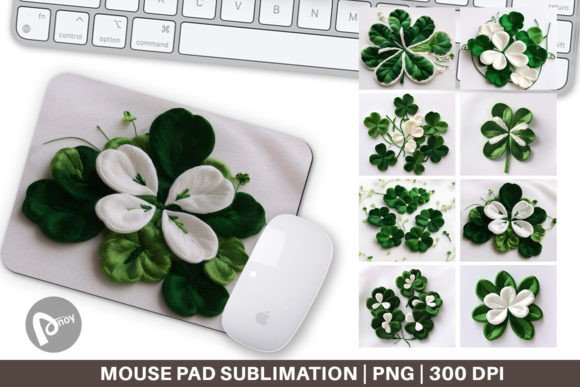
Mouse Pad Rose Embroidery: Craft Fair Review
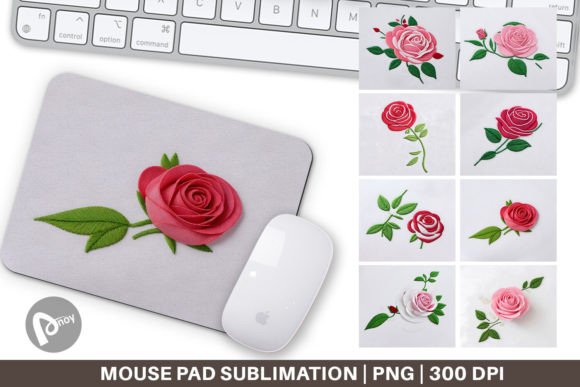
There is nothing quite like the feeling of prepping a booth for a weekend craft fair. The ironing, the pricing, the way you arrange the table so the light hits your best stitches. As an embroidery designer who has been on both sides of the digitizing software and the market tent, I have a sixth sense for which designs will fly off the table and which will sit. Today, I am putting “Mouse Pad Rose Embroidery” under the microscope. This design, delivered as a PNG file, is being marketed for sublimation mouse pads, but I see a much wider potential for the savvy handmade seller. Let us break down exactly how this floral graphic will perform when you turn it into real, sellable products.
First Impressions: Elegance That Sells Itself
The first thing I notice about “Mouse Pad Rose Embroidery” is its classic appeal. Roses are a staple in the handmade product world because they communicate romance, care, and timeless beauty. The design feels soft and decorative, not overly rustic or starkly modern, which gives it a premium edge. It lands solidly in the elegant and giftable category. For a craft fair product, this is a massive advantage. Customers looking for a hostess gift, a Mother’s Day present, or just a little treat for themselves feel an immediate emotional connection to a well-designed rose. The initial impression is that this design belongs on something special, not just a mouse pad, but on a whole collection of handmade products that elevate a simple booth into a boutique experience.
Beyond the Mouse Pad: Versatility Across Your Product Line
While the product description highlights the sublimation mouse pad, I immediately start thinking about how this graphic translates into a machine embroidery design. If you digitize this rose correctly, it becomes an incredibly versatile embroidery file for fabric goods. Here is where I see it performing the strongest:
- Tote Bag Design: A large rose on a canvas tote is an instant bestseller. It reads well from across the room and adds a high perceived value to a simple bag.
- Apron Embroidery: This is a natural fit. A single rose on the bib of an apron elevates it from a basic tool to a stylish kitchen essential. Perfect for cooking, gardening, or craft fairs themselves.
- Tea Towel Embroidery: Floral designs on linen or cotton towels are consistently popular. This rose provides a lovely focal point that makes the towel feel like a finished gift.
- Embroidered Patch: Stitching this out on twill and converting it into an iron-on patch is a low-inventory, high-margin craft fair product.
- Pillow Covers and Fabric Pouches: Home decor shoppers love florals. A rose on a throw pillow or a cosmetic pouch adds that touch of handmade luxury.
- Caps and Market Bags: A scaled-down version of this design on a cap or a reusable market bag offers subtle elegance for everyday wear.
The 9.5x size is ideal. It is large enough to serve as a primary focal design on a tote or apron, yet manageable enough to scale down for smaller items like pouches or patches. This adaptability makes it a solid investment of your digitizing time and energy.
The Digitizing Reality: From PNG to a Profitable Embroidery File
Here is where the professional review gets technical. “Mouse Pad Rose Embroidery” is delivered as a PNG. To use it for commercial embroidery, you must convert that image into a stitch-ready digital embroidery file. As an embroidery designer, I can tell you that roses are beautiful but tricky. Overlapping petals can create high stitch density and require careful pull compensation. Before you commit to a batch of 20 towels, consider these production realities:
- Stitch Density: If digitized poorly, the center of the rose can become a dense, hard knot of thread. This can cause needle breaks and fabric puckering, especially on light fabrics. Ensure your digitizer uses proper underlay and satin or tatami fills that balance coverage with flexibility.
- Thread Colors: A realistic rose typically needs 3 to 5 thread colors (deep red, bright red, pink, leaf green, and perhaps a background accent). This affects your production speed. If you are doing batch production for a craft fair, you will need to plan your machine runs efficiently.
- Hoop Size: The design is 9.5x. This requires a large hoop, typically a 5x7 or 6x10. If you are an Etsy seller using a Cricut with a 4x4 hoop, you will need to scale the design down, which may cause small details to blur into a blob of stitches. Always test the scaled version first.
- Fabric Texture: On smooth fabrics like cotton twill or poly-blend aprons, this design will look crisp and sharp. On textured fabrics like tea towels or terry cloth, the details in the petals may lose clarity. You will need a water-soluble topper to hold the stitches on top of the nap.
- Stabilizer: For tote bags and caps, use a cut-away stabilizer. For tea towels and quilting cotton, a tear-away with a topper works, but test thoroughly to ensure the integrity of the fringe stitches.
Craft Fair Dynamics: Attention, Value, and Cohesion
Your booth display is a silent salesperson. “Mouse Pad Rose Embroidery” gives you the ability to create a cohesive product collection. Imagine a display with a rose-embroidered tote bag hanging on a hook, a matching apron draped over a table, a sublimated mouse pad nestled next to a stack of embroidered tea towels, and a few iron-on patches pinned to a corkboard.
This kind of visual consistency tells the customer that you are a professional small shop product creator. It builds trust. It also encourages add-on sales—a customer who buys the tote bag might also grab the mouse pad for their desk at work. The rose design becomes your signature design asset. It photographs beautifully for online listings, too. Use a printable mockup or a well-lit photo of your finished product against a neutral background to show off the intricate stitching and color gradients. Customers pay a premium for items that look like they belong in a boutique, and a coordinated floral set achieves that effortlessly.
Practical Production Notes for the Embroidery Business
Before you start selling, let me share some hard-earned advice for turning this digital embroidery file into consistent handmade product:
- Test, Test, Test: Always sew out the design on the exact fabric you plan to use. Check for gaps between the petals. Adjust pull compensation in your software if needed. A test run on scrap fabric can save you from ruining a batch of expensive blanks.
- Check Contrast: A deep red rose on a black tote bag will disappear. A bright rose on a cream or natural background will pop. Consider offering the design on both light and dark backgrounds, but only if your thread colors provide sufficient contrast.
- Commercial Licensing: The product is delivered as a PNG. Before you use it for commercial embroidery or sublimation of finished products for profit, verify the license. Most sublimation graphics allow commercial use, but the terms vary. Do not assume—check the seller’s policy to ensure you are protected.
- Batch Production: This design is ideal for batch work because it is consistent. Stitch out all your tote bags first, then move to towels. Keep thread tension logs so you can replicate the exact look for your next craft fair product run.
- Photography for Etsy: Use your real embroidered items for photos, not just the PNG mockup. Etsy sellers who show the texture of the thread and the fabric build more buyer confidence. Include a photo of the rose on a tote bag being held on a shoulder, and a lifestyle shot of the mouse pad on a desk.
Careful Use Notes: What to Watch Out For
Not every product is the perfect canvas for this design. Here are the cautionary details I teach in my workshops:
- Avoid Dark Fabric: Unless you use a white or light-colored underlay, the dark fabric will show through the stitches of the rose petals, muddying the colors. Stick to light to mid-tone fabrics for the best clarity.
- Dense Stitch Areas: The center of the rose can cause thread breaks if the digitizing is too dense. If you feel the physical patch and it is stiff as a board, back off on the density or use a smaller stitch angle.
- Small Lettering? This design is purely graphic. Do not try to cram small lettering inside the rose petals as it will lose readability. Keep the rose as a standalone focal element.
- Curved Cap Surfaces: A 9.5x design on a structured cap is a tight fit. You may need to shrink the rose to 4 to 5 inches wide and place it on the front center or side. Always use a cap frame and a stiff cut-away stabilizer.
Final Verdict: A Solid Asset for Your Handmade Business
“Mouse Pad Rose Embroidery” is a strong design asset for any embroidery business owner, Etsy seller, or creative entrepreneur looking to fill their booth with sellable handmade products. The rose is a classic motif that appeals to a wide audience, and the 9.5x size provides flexibility for a range of applications—from sublimated mouse pads to embroidered tote bags and aprons.
The key to success with this design lies in quality digitizing, careful fabric selection, and smart booth placement. When you handle the transition from PNG to embroidery file with attention to stitch density and stabilizer choice, the result is a premium finished product that commands a higher price and draws customers in. Add it to your product rotation, create a cohesive collection for your next market, and watch how a simple rose can elevate your entire craft fair display.