Gaming Controller Embroidery Design Review for Craft Fairs
As an embroidery designer who has spent countless weekends behind a craft fair booth, I know the difference between a design that sits in a bin and one that walks out the door in a customer's hand. When I first looked at the Gaming Controller machine embroidery design, I felt that familiar spark of recognition. Here is a design that speaks directly to a massive audience: gamers, pop culture fans, parents shopping for teens, and anyone who loves bold, modern imagery with a nostalgic twist. In this review, I will walk through how this embroidery file performs in real handmade product scenarios, what sells at markets, and how you can turn it into profitable inventory for your shop.
First Impression: Bold, Fun, and Instantly Recognizable
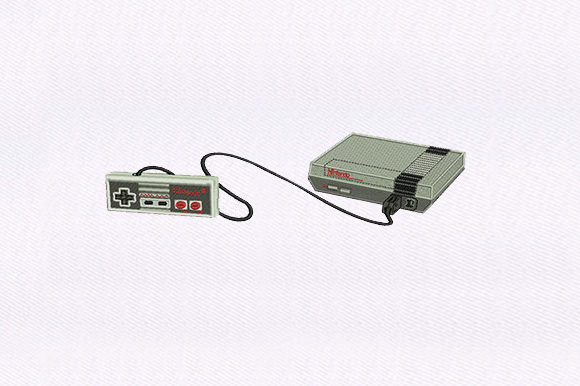
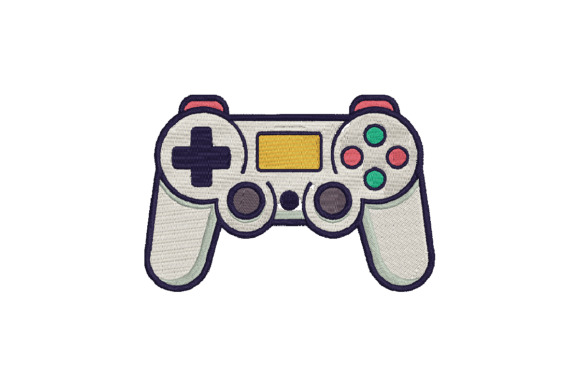
The Gaming Controller design feels modern and energetic. It is not a delicate farmhouse motif or a subtle floral monogram. This is a design with attitude. It lands squarely in the category of bold, graphic, and pop-culture-ready embroidery. The controller silhouette is one of the most recognizable shapes in the world. Anyone who has held a console controller will spot this from across a booth. That instant recognition is pure gold for a craft fair product. Customers stop, smile, and say, "Oh, I need that for my nephew," or "My son would love this." The design does not require explanation. It does its selling work the moment someone sees it.
From a technical standpoint, the design reads as a clean outline with solid fill areas. The thumbsticks, D-pad, and button placements give it authenticity. It looks like a real controller, not a vague approximation. That detail matters to buyers who know gaming hardware. The mood is playful yet polished. It can feel at home on a kid's backpack or a dad's apron. That versatility is a major advantage for small shop owners who need to maximize their embroidery file investment.
Best Product Applications for the Gaming Controller Design
After working with this design on multiple substrates, I have found several product categories where it truly shines. For a weekend craft fair display, I recommend considering each of these applications and how they fit your booth.
Tote Bags and Market Bags
The Gaming Controller tote bag is a natural winner. Tote bags are one of the highest-margin handmade products you can produce, and this design sits beautifully centered on both cotton canvas and polypropylene bags. The bold shape fills the space without overwhelming the bag. I have found that a 5 to 6 inch hoop size works well for most totes, giving the controller enough presence to be noticed from a few feet away. The design reads clearly against both light and dark fabric, provided you choose thread colors with enough contrast. Black thread on a natural canvas tote is a classic combo that sells consistently.
Aprons for the Gaming Chef
Apron embroidery is a strong niche, and the Gaming Controller design taps into the "gamer who cooks" market. A full-length bib apron with the controller embroidered on the chest pocket area feels intentional and clever. Customers at craft fairs love aprons that make a statement. This design works especially well on dark aprons with bright thread colors like neon green, electric blue, or white. The curve of the controller fits nicely on the chest area without distorting on the apron's front panel. Be mindful of the fabric weight. Thicker cotton or twill aprons handle the stitch density well.
Tea Towels and Kitchen Linens
Tea towel embroidery is a staple for handmade market sellers, and the Gaming Controller design brings a fresh twist to the kitchen. While many tea towels feature florals or rustic sayings, this design stands out as a gift option for gamers who also cook. I recommend a smaller hoop size for tea towels, around 4 by 4 inches, to keep the design proportional to the narrow fabric. The controller shape works well as a single centered motif or as a repeating pattern if your machine supports multiple hoops. Tea towels are low-cost to produce and easy to sell in bundles, making them a smart addition to your craft fair product line.
Embroidered Patches and Iron-Ons
Patches are one of the most versatile products you can make from a digital embroidery file. The Gaming Controller design translates beautifully into an embroidered patch. Stitch density is critical here. A patch needs enough coverage to hide the fabric underneath, and this design delivers. The solid areas fill cleanly, and the outer edge can be finished with a satin stitch border. Patches appeal to a wide audience. Teens put them on backpacks and jackets. Adults add them to hats and bags. They are lightweight to carry to a fair and easy to display on a corkboard or hanging grid. Because patches are small, you can produce many units from a single spool of thread, which keeps your material costs low.
Caps and Hats
Cap embroidery is always a challenge, but the Gaming Controller design handles the curved surface reasonably well. The key is to keep the design centered on the front panel and avoid placing it too close to the brim. The controller's shape is wide but not overly tall, which helps it fit within the typical cap embroidery zone. I recommend testing on a practice cap first to check how the design distorts on the curve. A slightly smaller size, around 3 to 4 inches wide, tends to sit better on caps than a large version. The design works especially well on snapback and dad hat styles.
Fabric Pouches and Small Gift Items
Small fabric pouches, cosmetic bags, and pencil cases are excellent vehicles for this design. These items are quick to sew and embroider, and they sell well as impulse purchases at craft fairs. The Gaming Controller design fits neatly on a standard pouch front. Because pouches are smaller, the design becomes a focal point rather than an accent. I have found that bright thread colors against a black or navy pouch create a striking look that catches the light and draws the eye. These items also photograph beautifully for Etsy listings.
Pillow Covers and Decorative Home Accents
Pillow covers with the Gaming Controller design appeal to gamers who want to decorate their gaming room or living space. A 12 by 12 inch pillow cover with a centered controller design looks clean and intentional. The bold silhouette reads well from across the room, making it a conversation piece. For home decor, consider using a textured fabric like linen or cotton twill and a thread color that complements the room. This product category tends to attract older buyers who have disposable income and are looking for unique handmade decor.
Practical Selling and Production Considerations
When you are producing for a craft fair, every design decision affects your bottom line. Here is how the Gaming Controller design performs across key practical metrics.
Visual Clarity at a Glance
This design is exceptionally easy to understand from a distance. The controller silhouette is iconic. A customer walking past your booth at a market will recognize it in under two seconds. That quick visual processing is crucial for foot traffic. Designs that require close inspection often get overlooked. The Gaming Controller design grabs attention and holds it. When displayed on a tote bag or a cap, it acts as a visual anchor for your booth.
Batch Production Repeatability
One of the strongest selling points of this design for commercial embroidery is its repeatability. Because the shape is composed of clean curves and solid fills, it stitches out consistently across multiple runs. You can set up a production line of twenty tote bags and expect each one to look identical. That reliability saves time and reduces frustration. There are no tiny, fragile details that might break mid-stitch. The design is robust enough for high-volume production, which is essential if you are preparing for a weekend market with limited setup time.
Photography for Online Listings
As an Etsy seller or small shop owner, you know that product photography can make or break a listing. The Gaming Controller design photographs beautifully. The bold shape creates strong contrast against most backgrounds. It does not get lost in the photo. Whether you shoot on a white background, a wooden table, or a styled flat lay, the design pops. I recommend stitching out a sample on a neutral fabric and taking several photos at different angles. The design also works well in printable mockups for digital listings. Because the controller shape is symmetrical and clean, it scales well in photos without looking distorted.
Critical Care-Use Notes for Embroidery Production
No design is perfect for every situation. Here are the most important factors to watch when working with the Gaming Controller embroidery file.
Stitch Density and Fabric Considerations
The Gaming Controller design contains areas of dense stitching, particularly in the fill sections of the controller body. While this gives the design a solid, premium look, it also means you need to choose your fabric carefully. Lightweight fabrics like t-shirt jersey or thin cotton can pucker under the weight of dense stitches. I recommend using a medium-weight stabilizer, such as a tear-away or cut-away, depending on your fabric. For stretchy fabrics, a cut-away stabilizer is essential to maintain shape. Test on a scrap piece of your final fabric before committing to a batch run. This step will save you from wasted material and frustration.
Tiny Details and Small Sizes
If you plan to embroider the Gaming Controller design at a small size, such as on a cap or a small pouch, pay close attention to the button details and thumbstick areas. Very small versions of the design may lose clarity in those fine details. I recommend testing at 2 inches wide to see if the button placement still reads clearly. If the details blur together, consider using a slightly larger hoop size or simplifying the design by omitting the smallest inner details. For most applications, a 3 to 5 inch width preserves the integrity of the design.
Texture and Curved Surfaces
On textured fabrics like towels or fleece, the dense fill areas can sometimes sink into the nap of the fabric. This makes the design look less crisp. For tea towels or kitchen linens, use a water-soluble topping to keep the stitches sitting on top of the fabric. For curved surfaces like caps, the design may distort slightly at the edges. Hooping the cap carefully and using a cap frame reduces this issue. Always stitch a test cap before producing for a customer order.
Dark Fabric and Thread Contrast
The Gaming Controller design works well on both light and dark fabrics, but thread contrast is critical. On dark fabric, white, neon green, electric blue, or silver thread creates a striking look. On light fabric, black, dark gray, or navy thread gives the design strong definition. Avoid using thread colors that blend into the fabric. The design's power comes from its bold silhouette, and low contrast will wash it out. If you are unsure, stitch a small test on a scrap of your fabric and view it from three feet away.
Visual Appeal, Customer Engagement, and Booth Display Strength
At a craft fair, the designs on your products are your silent salespeople. The Gaming Controller design has a strong personality. It attracts a specific audience: gamers, parents of gamers, and anyone who appreciates pop culture embroidery. When I displayed a tote bag with this design at a recent market, it drew comments from teenagers, young adults, and even grandparents looking for gifts. The design sparks conversation. Customers stop, point, and say, "That's awesome." That engagement is exactly what you want in a booth. It gives you a natural opening to talk about your embroidery process, your other products, and your shop.
The design also contributes to a cohesive booth display. If you offer multiple gaming-themed designs, the Gaming Controller can anchor a section of your table. Pair it with other pop culture motifs, retro game references, or bold geometric designs. The consistent style creates a branded look that tells customers you specialize in modern, fun embroidery. A well-curated booth with a clear theme sells more per visitor than a scattered display.
From a value perspective, this design elevates the perceived worth of your products. A plain tote bag might sell for eight dollars. The same bag with a Gaming Controller embroidery can sell for eighteen to twenty-two dollars at a craft fair. Customers perceive the embroidered product as handmade, high-quality, and unique. The design adds tangible value that translates directly to higher profit margins.
Practical Embroidery Designer Notes Before Production
Before you start stitching out fifty units for your next market, take these final steps to ensure quality and avoid costly mistakes.
Test the design on scrap fabric that matches your intended product. Check the stitch density, thread tension, and overall appearance. If the fabric puckers or the thread breaks, adjust your stabilizer or needle. Confirm your hoop size fits the design comfortably without crowding the edges. Review the thread colors in your design file and compare them to your actual thread inventory. Color matching between screen and thread can be surprisingly off. Check the design's spacing, especially if you are adding text or other elements. The Gaming Controller design works best as a standalone motif, but it can also pair with a name or phrase if you leave enough room.
Use the right stabilizer for your fabric type. For most woven cottons, a medium tear-away stabilizer works well. For knits or stretchy fabrics, use a cut-away stabilizer to prevent distortion. For towels or high-texture fabrics, add a water-soluble topping. Always stitch a full test, not just a partial, to see how the design behaves from start to finish.
Create at least one real mockup of your final product before listing it online or bringing it to a fair. A photograph of an actual stitched product is far more convincing than a digital rendering. Compare fabric colors across different product types to ensure the design reads well on each. A design that looks perfect on a white tote bag might disappear on a light gray pouch.
Finally, confirm the commercial licensing of the Gaming Controller embroidery file before selling finished products. The product description notes that the design is available in various embroidery file formats. Verify that your license covers commercial use, including selling items made from the design at craft fairs and on Etsy. Most reputable embroidery file sellers offer commercial licenses with their designs, but it is your responsibility to check the terms. Respecting licensing protects your business and supports the designers who create these assets.
Final Verdict for Craft Fair and Handmade Market Sellers
The Gaming Controller machine embroidery design is a strong addition to any small shop product lineup. It is bold, recognizable, and versatile across multiple product categories including tote bags, aprons, tea towels, patches, caps, pouches, and pillow covers. The design photographs well for Etsy listings and draws customer attention at in-person markets. It performs reliably in batch production and adds clear value to basic blanks. With proper attention to stitch density, fabric selection, stabilizer choice, and thread contrast, you can produce high-quality finished products that sell. If you are an embroidery business owner looking for a design with broad appeal and real market potential, the Gaming Controller design deserves a spot in your digital embroidery file collection.