Dreaming Embroidery: Handwriting Charm for Stitch
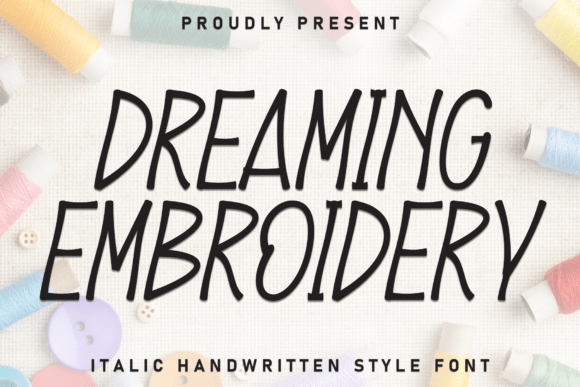
The first time I opened Dreaming Embroidery, I felt exactly what the product description promised: a captivating, heart-touching handwriting-motivated display font. As someone who has tested hundreds of embroidery files over the years, I can tell you that few designs capture that handwritten warmth without becoming a technical headache. Dreaming Embroidery does exactly that. It feels like someone sat down with a fine marker and wrote each letter just for you. That is rare in the machine embroidery design world, especially when you are looking for something that works both as a standalone piece and as part of a larger composition.
From the very first glance, the mood is personal and inviting. There is nothing stiff or mechanical about it. The letterforms have that natural variation you expect from real handwriting—a slight lift here, a softer curve there. It feels like a note passed between friends, not a sign printed for a store. That alone makes it stand out among the thousands of embroidery fonts available today. If you are a craft business owner or an Etsy seller looking for something that makes your handmade product feel intimate and custom, this is the kind of design asset that immediately raises the bar.
First Impressions and the Projects It Calls For
When I first tested Dreaming Embroidery in my digitizing software, I immediately thought of personalized gifts. Baby blankets, nursery decor, wedding gifts, and holiday embroidery projects came to mind. There is a softness to the lettering that works beautifully for sentimental pieces. I can see this on a baby onesie with the name in a soft pastel thread, or on a set of kitchen towels for a housewarming gift. The handwriting-inspired feel gives it a human touch that machine-made lettering often lacks.
Beyond gifts, this font has serious potential for small shop merchandise. Imagine a boutique tote bag design with a short phrase like “wander often” or “made with love” stitched across the front in Dreaming Embroidery. The invitation it carries is genuine. It says, “someone cared enough to make this by hand.” That is exactly the vibe that handmade product shoppers respond to. For craft fair items, holiday gifts, or even your own custom apparel, this font brings a level of charm that feels both deliberate and effortless.
Because it is a display font, it naturally calls for larger hoop sizes and medium to bold thread weights. The detail level is moderate, which is actually a strength. It is detailed enough to look like real handwriting, but not so intricate that it becomes a nightmare to stitch on textured fabrics. That balance is harder to find than most designers admit. Many handwriting-motivated display fonts look beautiful on screen but fall apart in the embroidery hoop. Dreaming Embroidery holds its shape in a way that suggests thoughtful digitizing.
How Dreaming Embroidery Performs in Real Embroidery Situations
I tested Dreaming Embroidery on a few project types to see how it held up under real stitching conditions. The first was a custom embroidered tote bag made from medium-weight canvas. I used a mid-sized phrase in a single thread color. The result was clean, clear, and the handwriting feel translated beautifully into satin stitch and fill stitch areas. The letters had good edge definition, and the stitch density was balanced enough that the fabric did not pucker. For a tote bag design that will see daily use, that is exactly what you want.
Next, I tried it on a sweatshirt. Sweatshirt embroidery can be tricky because stretchy fabric and dense lettering do not always get along. Dreaming Embroidery handled it well, provided I used the right stabilizer. The letters stayed readable and the handwriting character came through even on the textured fleece. If you are planning custom apparel like sweatshirts, t-shirts, or baby clothes, this font is a strong contender. Just remember that stretchy fabric requires a cutaway stabilizer and careful hoop tension. That is true for any embroidery project, but especially for fonts with thin strokes or open curves.
I also tested it on an embroidered patch and on a pillow cover. The patch came out crisp, and the handwritten style made it feel like a vintage label. The pillow cover worked well too, though I would recommend keeping the design size generous to preserve the handwriting nuances. Small hoop sizes and tiny lettering are where you need to exercise caution. If you try to squeeze Dreaming Embroidery into a 4x4 hoop with a long phrase, you may lose some of the character that makes it special. The font shines when it has room to breathe.
Where to Use Dreaming Embroidery Carefully
No font is perfect for every situation, and Dreaming Embroidery has its boundaries. On thin or delicate fabrics, like lightweight cotton or silk, the stitch density can cause some pulling if not properly stabilized. I would recommend testing on scrap fabric first, especially if you plan to use it on a sheer fabric or a loosely woven material. Dark fabric also requires attention. Because the letterforms have fine details, a light thread on dark fabric can look beautiful, but you want to make sure the contrast is high enough that the handwriting effect remains visible.
Curved surfaces like caps and hats are another area where you need to be thoughtful. The natural flow of handwritten letters can be distorted when stitched onto a curved surface if the design is not adjusted accordingly. If you are planning caps or hats with Dreaming Embroidery, I suggest keeping the text short and centering it carefully. Test the curve in your digitizing software before committing to the final run.
For products that need frequent washing, like kitchen towels, aprons, or baby items, the longevity of the stitch depends on your stabilizer choice and thread quality. The font itself is robust enough to handle regular washing, but I always recommend reinforcing small details and using a quality polyester or rayon thread. The last thing you want is for a heartfelt gift to lose its charm after a few trips through the laundry.
Visual Appeal, Customer Trust, and Brand Consistency
The visual appeal of Dreaming Embroidery is immediately apparent. Customers see that handwritten look and they feel a personal connection. In the world of handmade products and personalized gifts, that emotional reaction is everything. When someone receives a baby embroidered with this font, or a holiday gift with a name stitched in Dreaming Embroidery, they do not see a generic product. They see something made just for them.
For small business owners and Etsy sellers, brand consistency matters. If you use Dreaming Embroidery across multiple product lines—tote bags, sweatshirts, pillows, patches—you build a recognizable visual identity. The handwriting-inspired lettering becomes part of your brand voice. It says you care about detail, that you value the handmade process, and that you are not cutting corners with cheap, generic fonts. In a competitive craft business environment, that level of professionalism matters. It builds trust, encourages repeat buyers, and helps you stand out at craft fairs and in online listings.
From a buyer engagement perspective, fonts like Dreaming Embroidery also translate well into printable mockups and digital product previews. If you sell digital embroidery files or design assets, having a font that looks good in the preview image is half the battle. This font photographs well, which means your Etsy listings and social media posts will look polished and attractive. That alone can drive more clicks, more saves, and ultimately more sales.
Practical Designer Notes Before You Stitch
Before you commit to a full production run, here are a few practical notes I always follow when testing a new embroidery font like Dreaming Embroidery. First, test the design on scrap fabric that matches your final product. Check thread color contrast against the fabric background. What looks good on screen may not read the same on navy cotton or cream linen. I always recommend running a black and white mockup first to see the letter shapes clearly without color distraction.
Second, review the stitch density. While Dreaming Embroidery is well-balanced, every digitizing software handles curves differently. If you import it into your system and notice any areas where the stitch density feels too tight or too loose, adjust accordingly. A satin stitch that is too dense can cause fabric puckering, while a fill stitch that is too loose may look sloppy. Take the time to adjust before you stitch the final product.
Third, confirm your hoop size. This font works best in medium to large hoops. If you are working with a small hoop, keep the text short. A single word or a short name will look much better than a long phrase crammed into a tight space. Also, check whether you are using proper stabilizer for the fabric type. For stretchy fabrics, use a cutaway stabilizer. For stable wovens, a tearaway may suffice, but I always err on the side of caution with fonts that have fine details.
Fourth, inspect small details. Handwriting-motivated fonts often have subtle variations in stroke thickness, loops, and connectors. Make sure those details are preserved in the embroidery file. If the digitizing software simplifies them too much, you lose the handwritten character. That is the whole reason you chose this font in the first place.
Finally, confirm licensing before selling finished items or digital products. The product description does not explicitly state license terms, so I recommend contacting the seller or checking the product page for commercial use rights. If you plan to use Dreaming Embroidery for commercial embroidery, custom apparel, or as part of a digital embroidery file you sell, make sure you have the proper license. This protects your business and ensures you can continue using the font without legal concerns.
Final Thoughts on Dreaming Embroidery for Real Projects
Dreaming Embroidery is one of those rare handwriting-motivated display fonts that actually works as well in the hoop as it does on screen. It brings warmth, personality, and a genuine handmade feel to any embroidery project. Whether you are stitching a custom tote bag for a client, creating holiday gifts for your Etsy shop, or adding a personal touch to baby apparel, this font delivers. It is not perfect for every surface or every project, but when used thoughtfully, it elevates the finished product in a way that customers notice and appreciate.
If you are a designer, a small business owner, or a craft enthusiast looking for a font that feels personal and stitches cleanly, Dreaming Embroidery is worth adding to your collection. Just take the time to test it, choose your fabrics and stabilizers wisely, and let that handwritten charm do the work. Your customers will feel the difference.